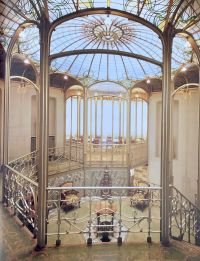
Russian architect Franz Schechtel (Франц Шехтель) created most of his work under this name before changing it to Fyodor with the outbreak of World War I. In two decades of independent practice he completed five theaters, five churches, 39 private residences, Yaroslavsky Rail Terminal and various other buildings, primarily in Moscow. Most of his legacy survives to date. It would appear that the Soviet authorities were less fashion concious resulting in neglect rather than the demolition which was often the case in Europe. The Ryabushinsky Mansion represents the Russian Modern style at its height.
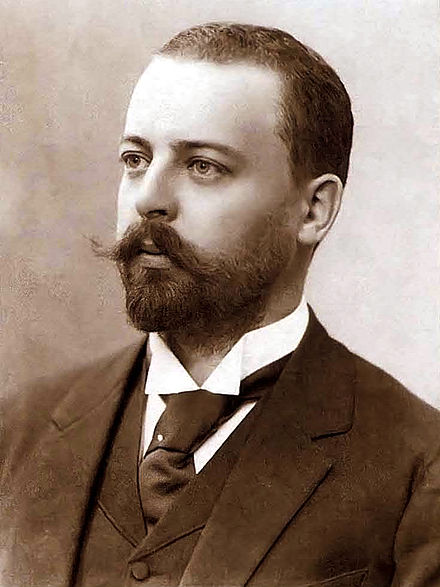
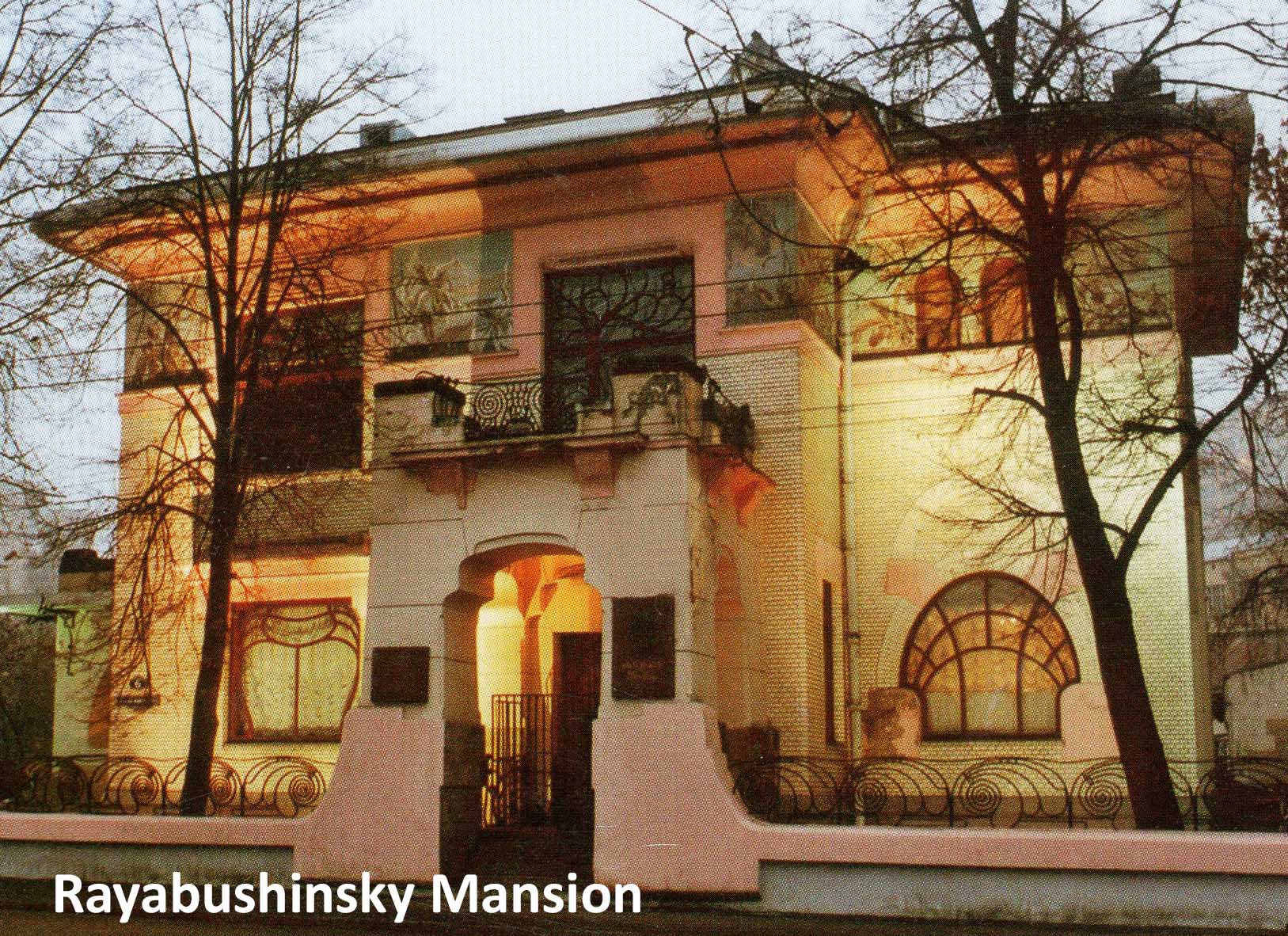
His style during the 1890s meanders between Gothic and Russian Revival. The first sign of a new, mature style (a Russian version of Art Nouveau, Russky Modern), appears in his 1899 Arshinov House in Malaya Ordynka Street.
Patriarshy Ponds, a well-to-do neighborhood close to the centre of Moscow is still home to many of Schechtel’s works, including two of his own residences from 1896 and 1910.
Morozova Mansion 1893-1898
Smirnov Mansion 1901-1903
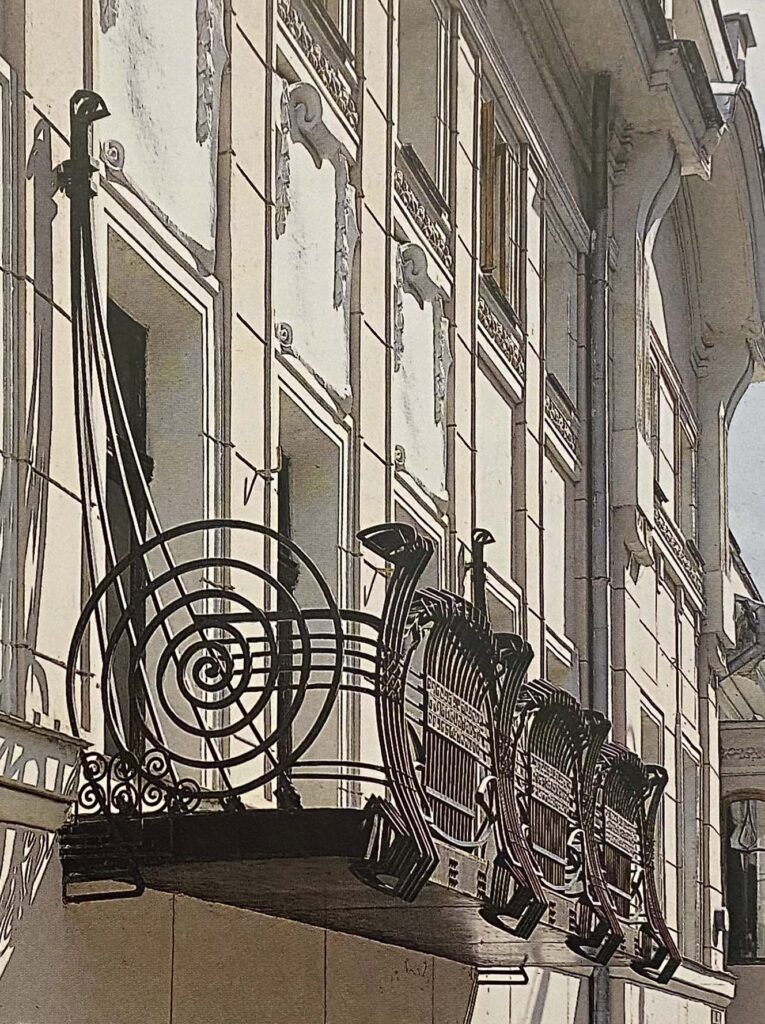
Ryabouchinisky Mansion 1900-1903
The Ryabouchinisky Mansion was designed and built in 1900-1902 for the young Russian industrialist and art collector of the same name. It is a very flamboyant piece of work with both building and interior using exquisite materials and craftsmanship. After the Russian Revolution in 1917, the Ryabouchinsky family emigrated to France. In 1931 the Soviet government offered the house to the writer Maxim Gorky and his family. It was his home until his death in 1936. It is now the Gorky Museum.
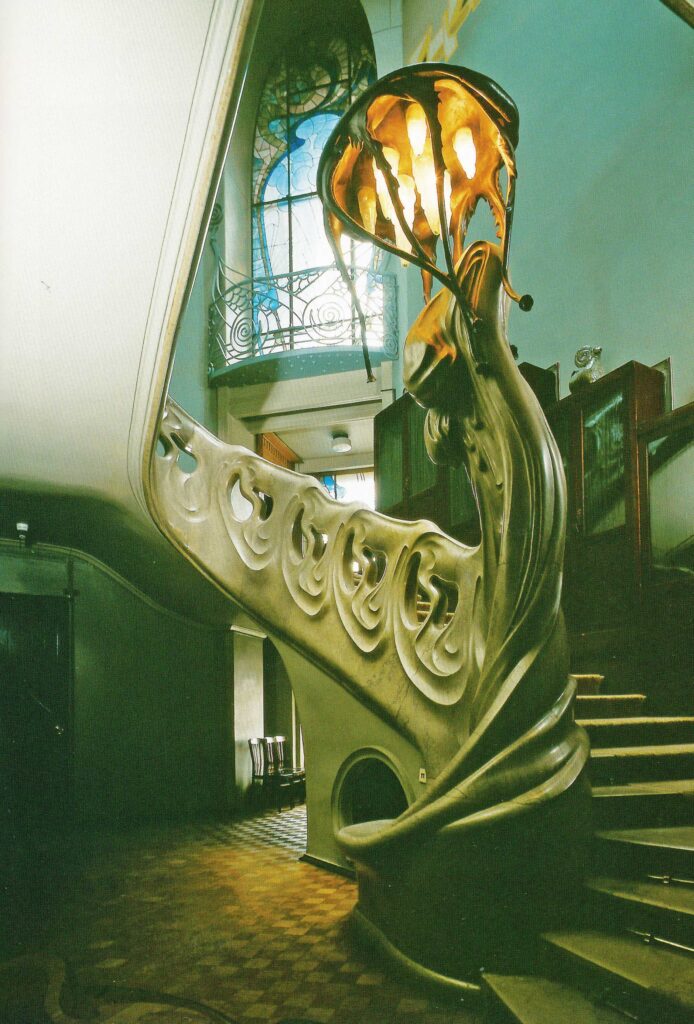
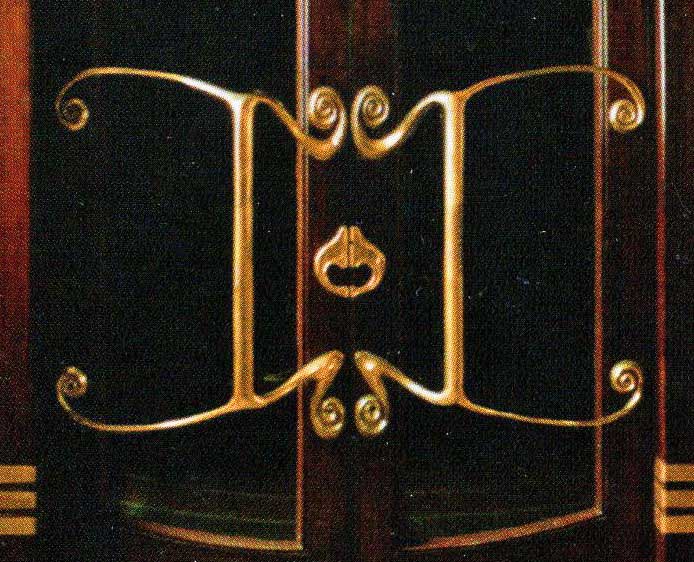
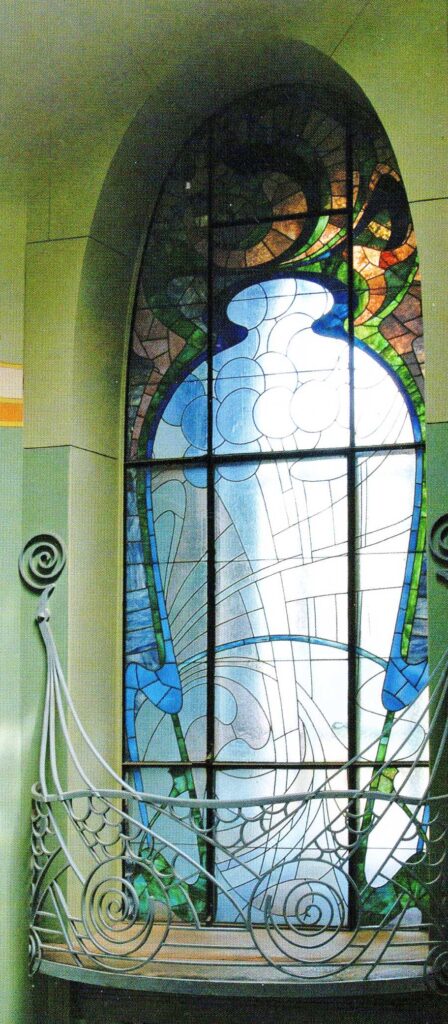
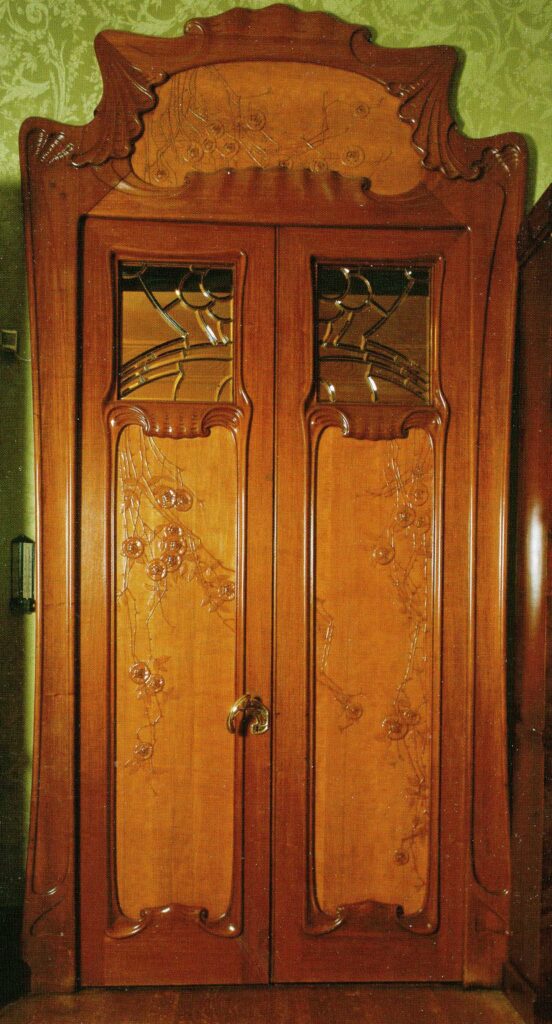
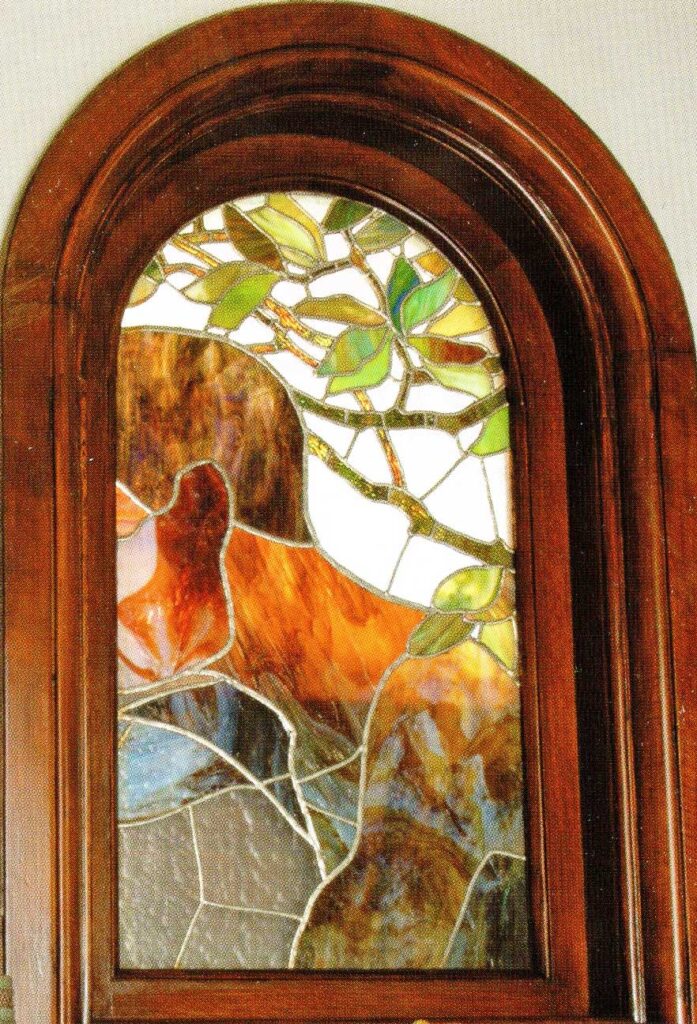
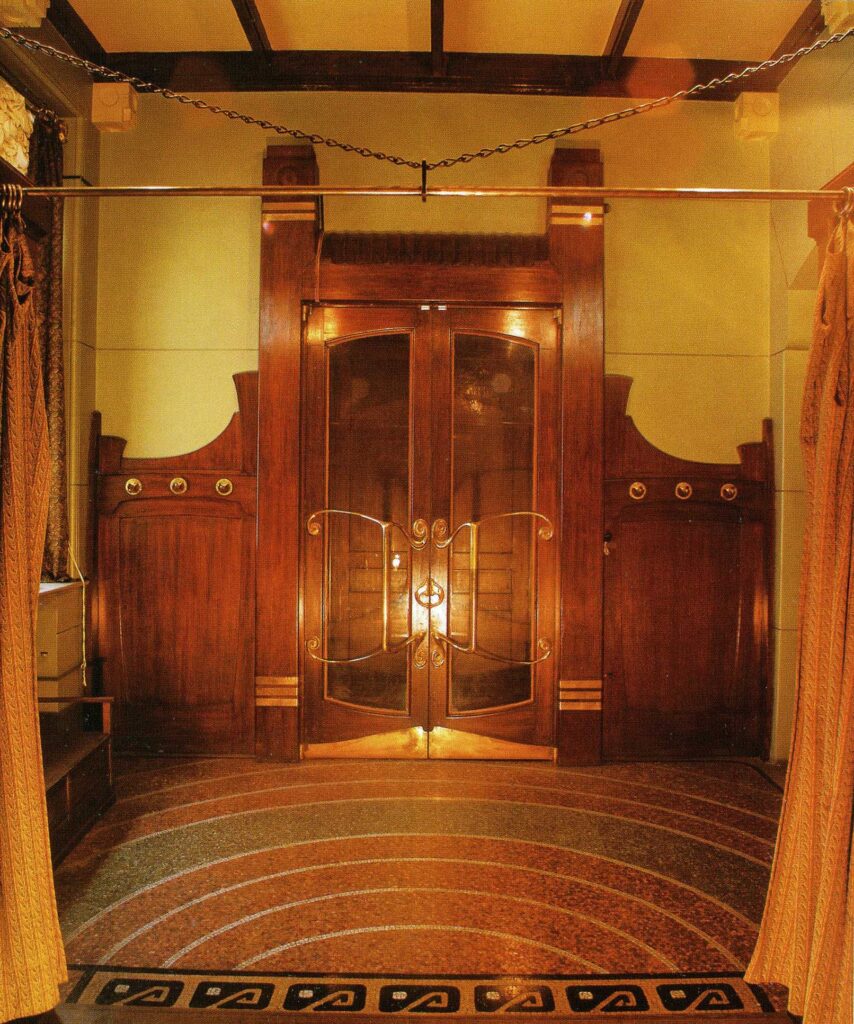
Derozhinskaya Mansion 1903
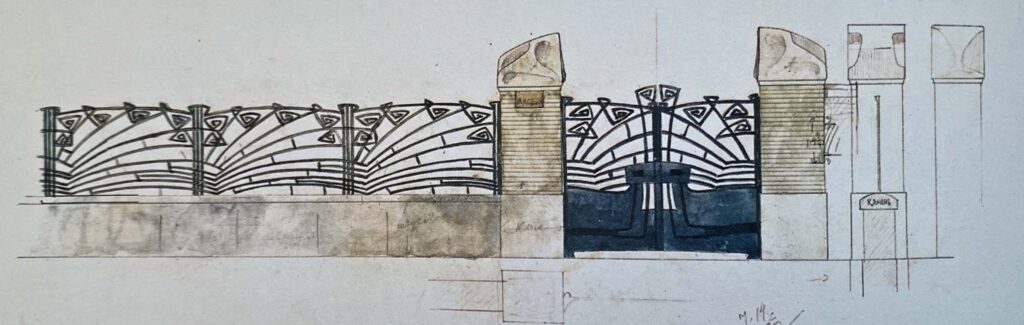
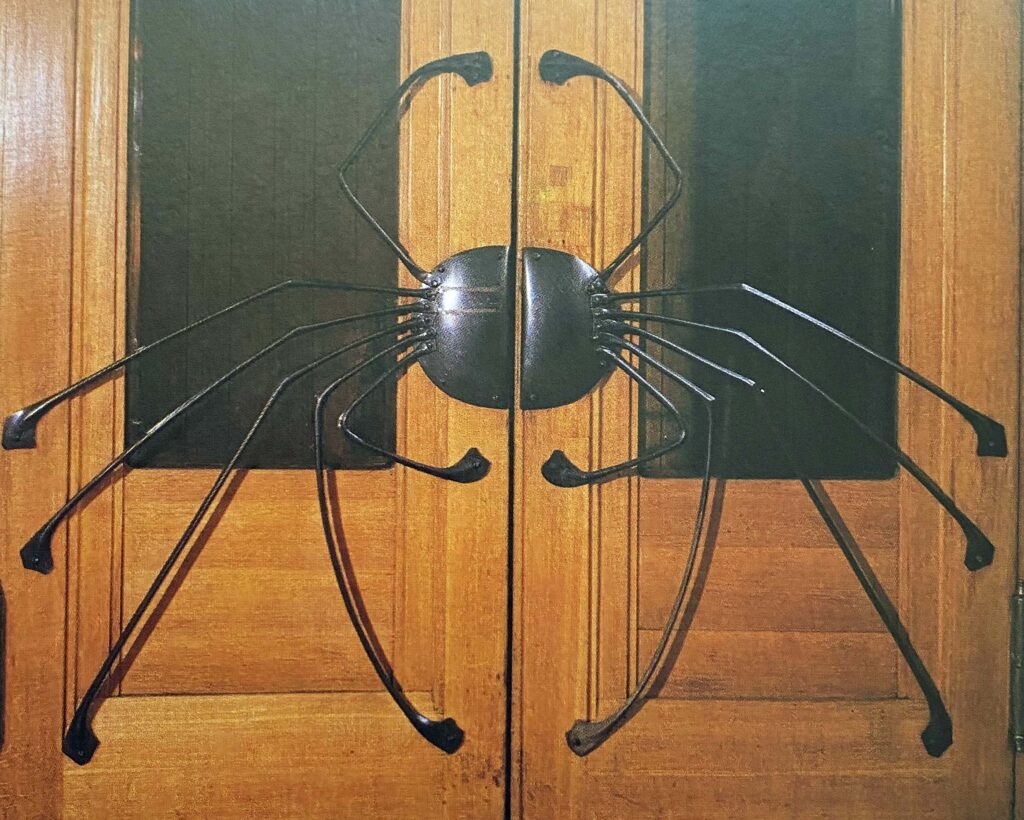
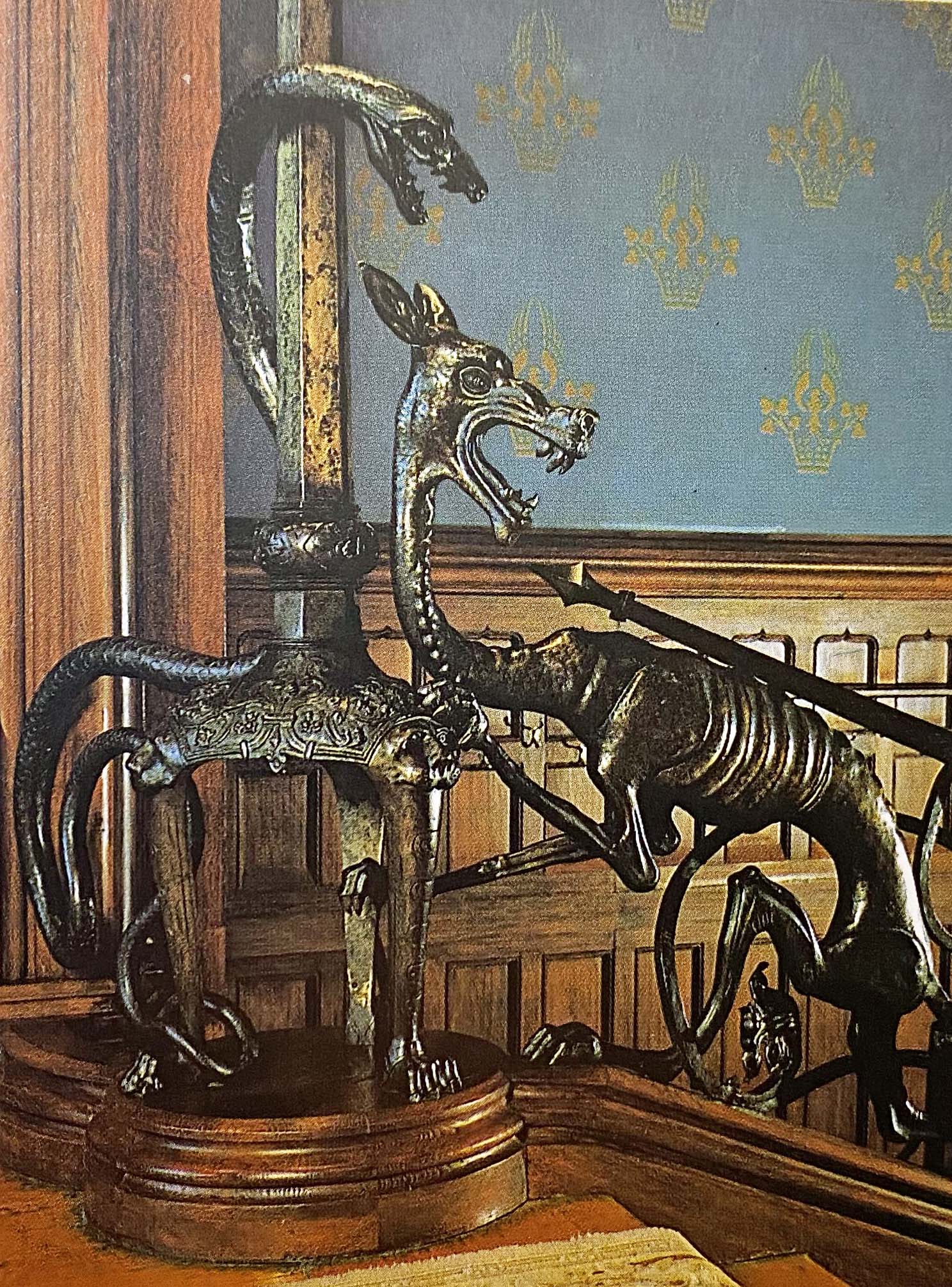
Intricate door pulls seem to hold a special interest for Schechtel. Similarly Paul Hankar was obsessed by window and door design.
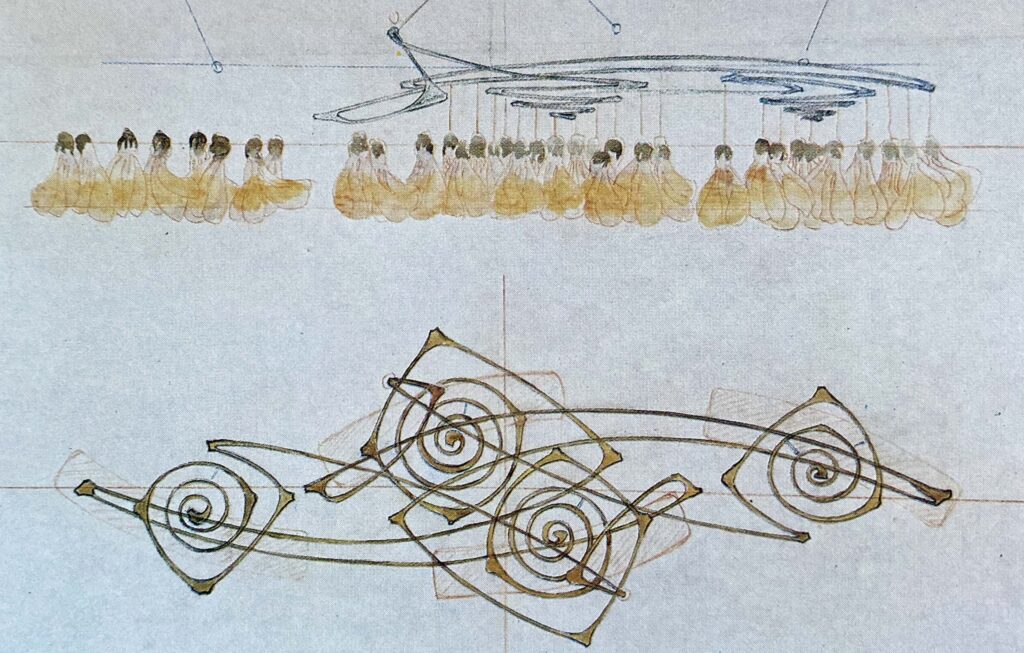
Design for a chandelier. Schechtel was very interested in electricity and lighting.
Other buildings by Franz Schechtel
1899: Arshinov House (32, Bolshaya Ordynka) and offices (5, Staropansky Lane)
1900: Lutheran chapel (7, Starosadsky Lane)
1900: Levenson Printshop (9, Trekhprudny Lane)
1900: Ryabushinsky Mansion (6, Malaya Nikitskaya Street), now known as the Gorky Museum
1901: Derozhinskaya Mansion (7, Kropotkinsky Lane)
1901: “Boyarsky Dvor” hotel and offices (1, Staraya Square) photographs, floorplan
1901: Kahn apartment building (35, Malaya Nikitskaya Street)
1902: Yaroslavsky Rail Terminal (completed 1904), the most visible of his Moscow works
1902: St.Nicholas chapel (Tverskaya-Yamskaya Street) destroyed 1930s
1900-1903: Moscow Art Theatre reconstruction (facade curtain artwork)
1901-1903: Smirnov House reconstruction (18, Tverskoy Boulevard)
1903: Ryabushinsky Bank (Birzhevaya Square)
Unlike his rival Lev Kekushev, Schechtel never committed himself to a single style.
The final years
Fashion, World War One, The Revolution and the Civil War moved Russian architecture away from the flamboyant Art Nouveau, Russky Moderne, to more utilitarian designs. Many of Schechtel’s later projects were never completed.
Further reading about Franz Schechtel:
Russia’s relative isolation over the past 100 years since most of Schechtel’s work was completed means that there is little published material about him compared to the likes of Gaudi and Mackintosh. Using search engines to look for Schechtel or individual buildings will bring together a surprising amount of information.