At the turn of the century, Vienna, as the capital of the vast Habsburg Empire was rich, very rich. As was the case with much Art Nouveau architecture the key was money.
The Vienna Secession was formed in 1897 by a group of Austrian artists, sculptors and architects, among them Josef Hoffman, Koloman Moser, Otto Wagner and Gustav Klimt, who had resigned from the Association of Austrian artists in protest against its support for the more traditional styles. The main objective was to express their new ideas and styles. This was realised by the creation of a new headquarters and exhibition space, the Secession Building (designed by Josef Maria Olbrich) and a monthly journal, Ver Sacrum. They did not stay united for long. personal and artistic differences led to various members leaving the group. However, the movement still exists and is based at the Secession Building.
Josef Maria Olbrich

Most of the Secessionist artists worked to varying degrees in Art Nouveau during the movement’s early years. In Austria and Germany this style was referred to as Jugendstil (literally ‘Young Style’). The members included the following.
Gustav Klimt (first president),
Koloman Moser,
Carl Moll,
Max Kurzweil,
Wilhelm Bernatzik,
Josef Maria Auchentaller,
Ernst Stöhr
Egon Schiele.
Blue highlighted names are links to further information on pages within this site or elsewhere.
The group’s work flourished until the First World War when along with Art Nouveau worldwide everything changed.
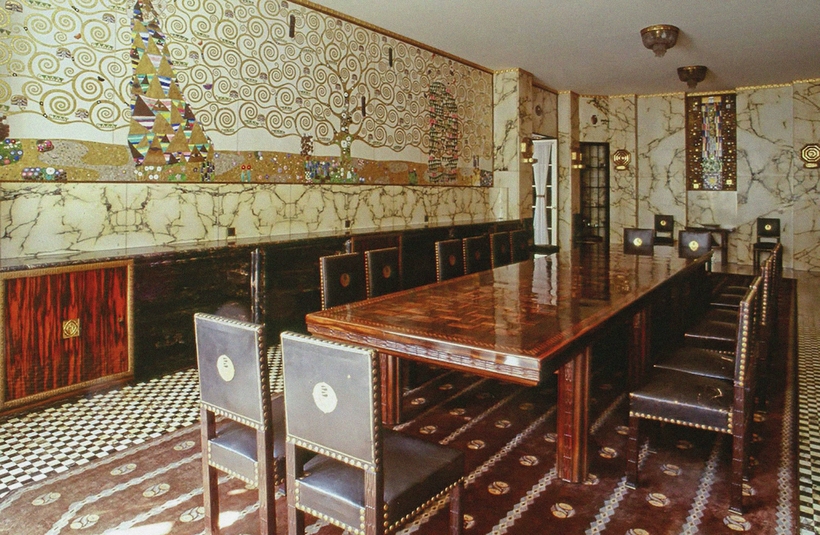
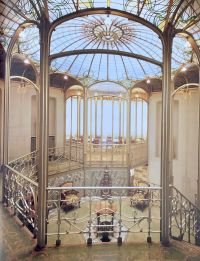
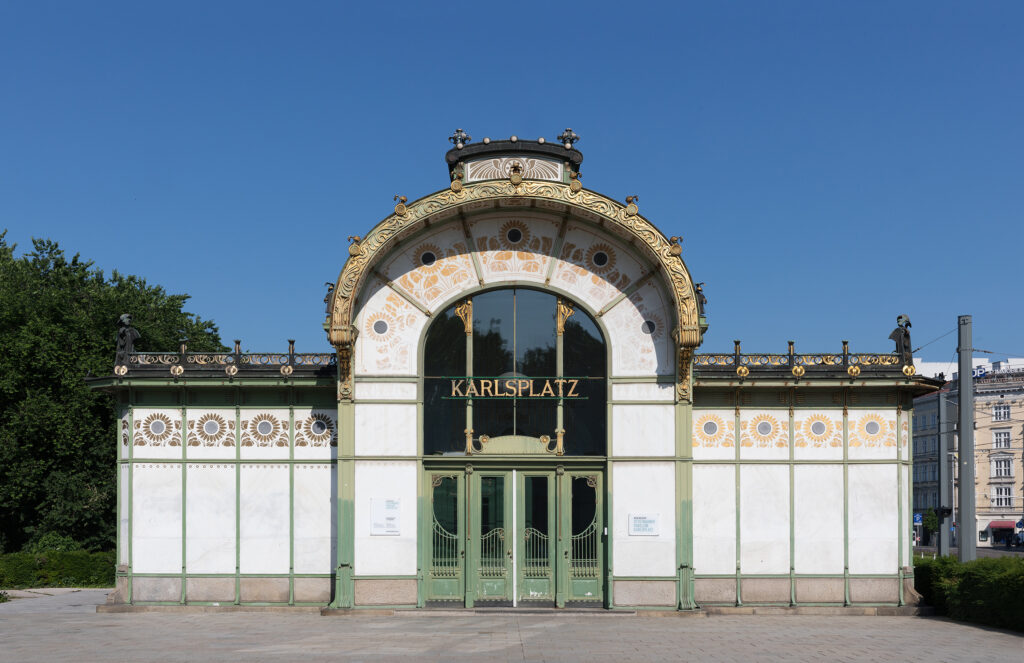
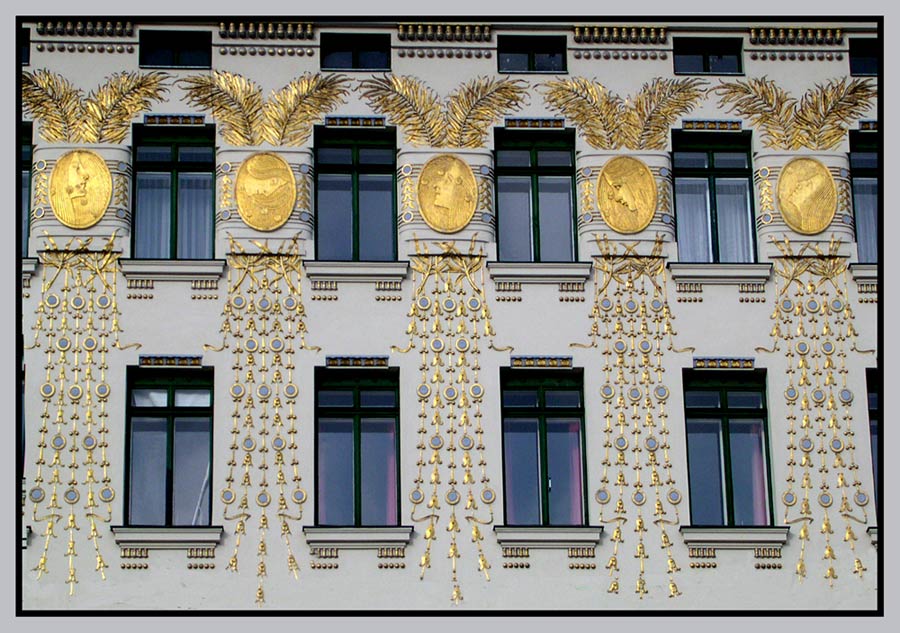
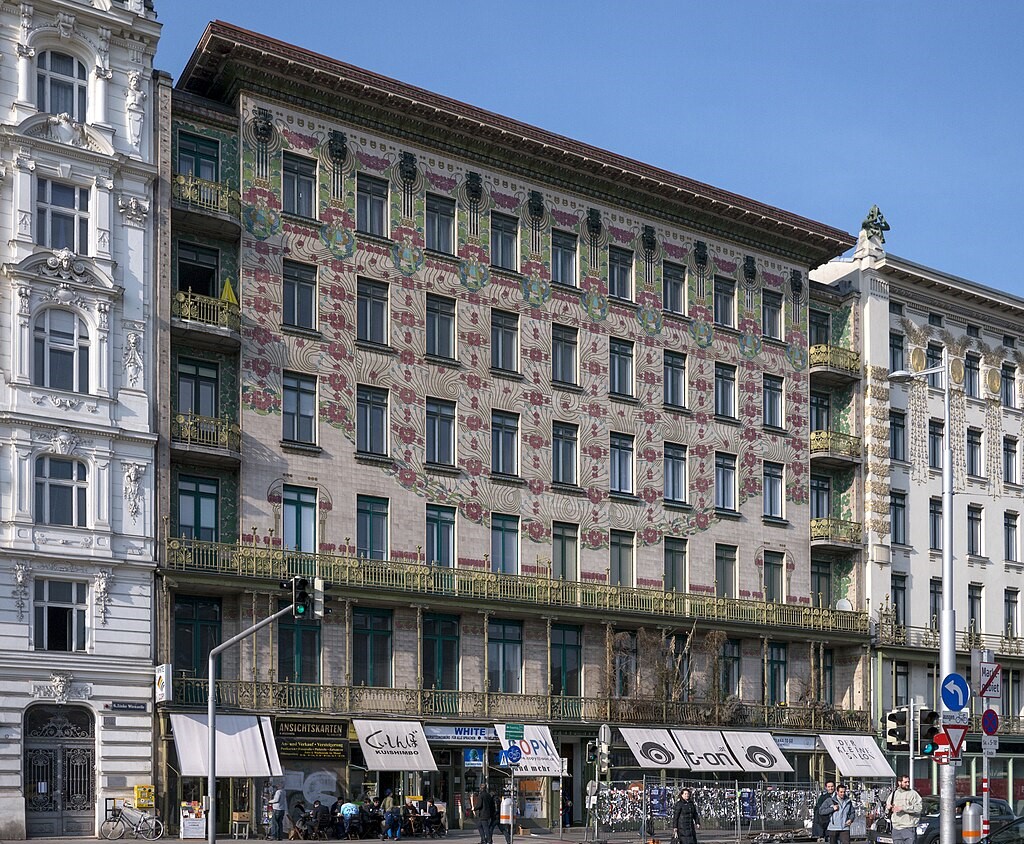
A flavour of Vienna’s Art Nouveau architecture is shown below.
Otto Wagner




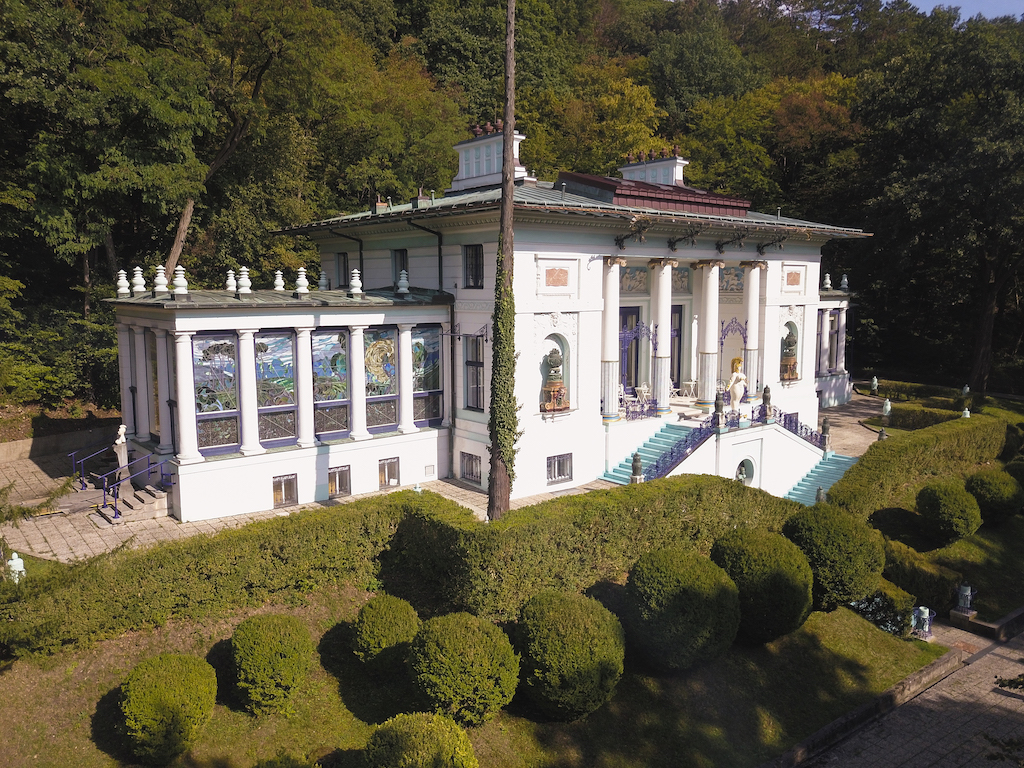
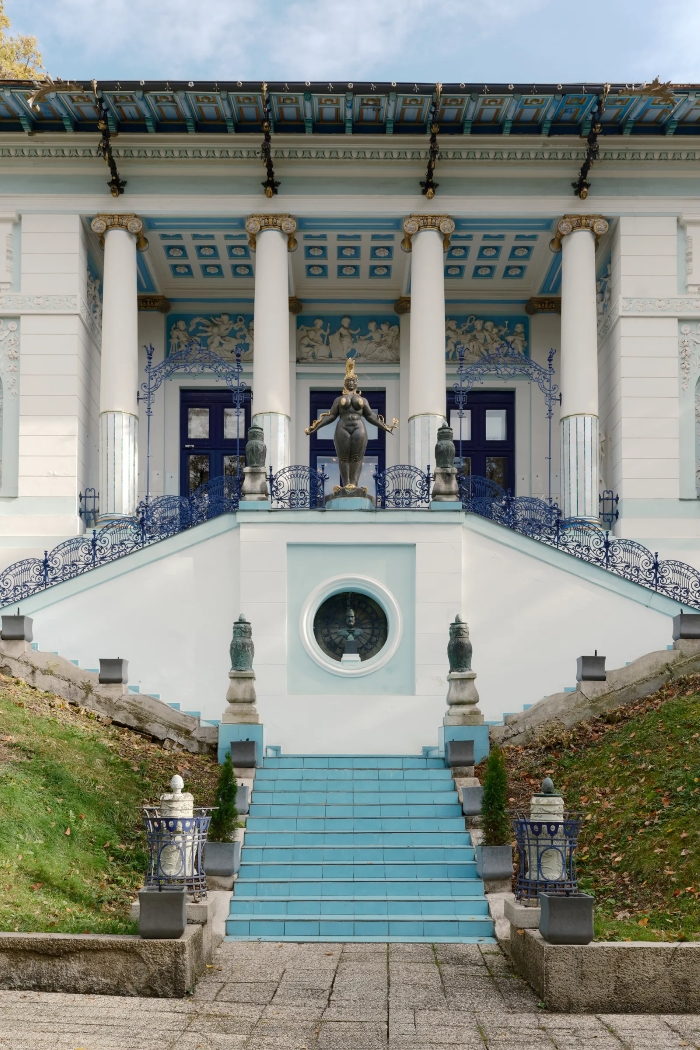
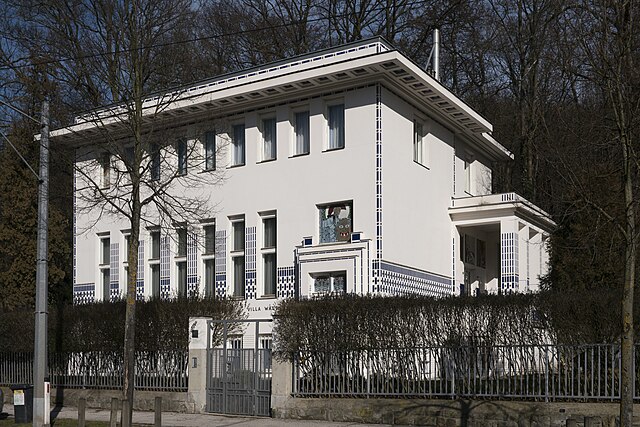

Josef Hoffmann