Latvia, a Baltic State, has a long history of invasion and control by other powers.
Riga was one of founders of the Hanseatic League joining in 1282. Subsequently control has passed through Sweden, Lithuania, Poland, Germany and latterly Russia from 1721, albeit with some local self-determination. After World War One Latvia became an independent state, joining the League of Nations. Nazi Germany briefly took over before being incorporated into the Soviet Union in 1940. Independence (known locally as second independence) finally arrived in 1990.
While under Russian control, from 1721, Riga became Russia’s the third largest city after Moscow and St Petersburg. Its wealth was derived from trade, commerce and manufacturing. Between 1897 and 1914 the population of Riga grew by 88% creating a huge demand for housing to accommodate the aspiring, newly wealthy, middle-classes.
There are more than 350 Art Nouveau buildings in Riga, more than any other city. Many districts were constructed between 1900 and 1910 as Art Nouveau apartment blocks. In construction the buildings are basically, fairly standard apartment blocks. The late 1800’s offered new building materials allowing relative flexibility with regard to the facades which were tailored for their middle-class occupants in the various local versions of Art Nouveau. There were some 50, mostly local architects, working in this field mostly trained in either Riga or St Petersburg.
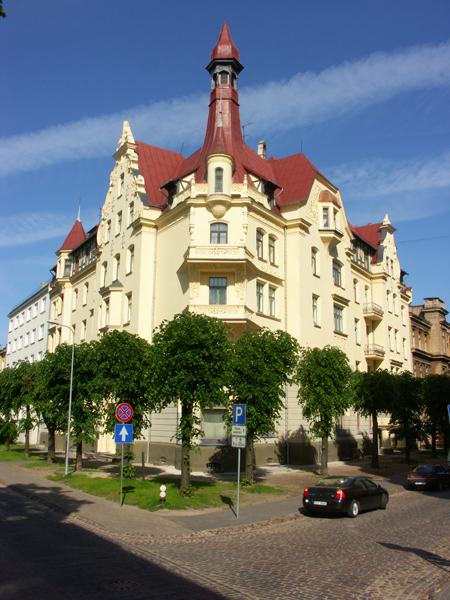
Alberta Iela 12 (1903) Architect: Konstantīns Pēkšēns
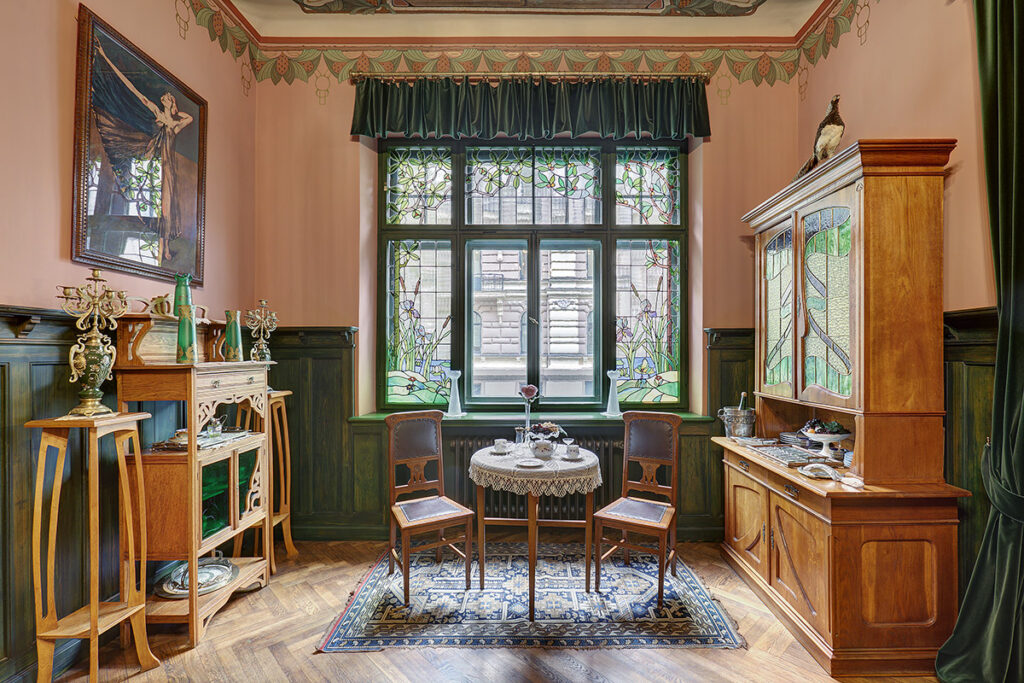
Konstantīns Pēkšēns ( 1859-1928 ) was a prominent Latvian architect at the turn of the 20th century. He trained at the Riga Polytechnic Institute as both engineer and architect. He not only designed many buildings he was also closely involved in the development of Art Nouveau in Latvia sitting on a number of panels judging competitions.
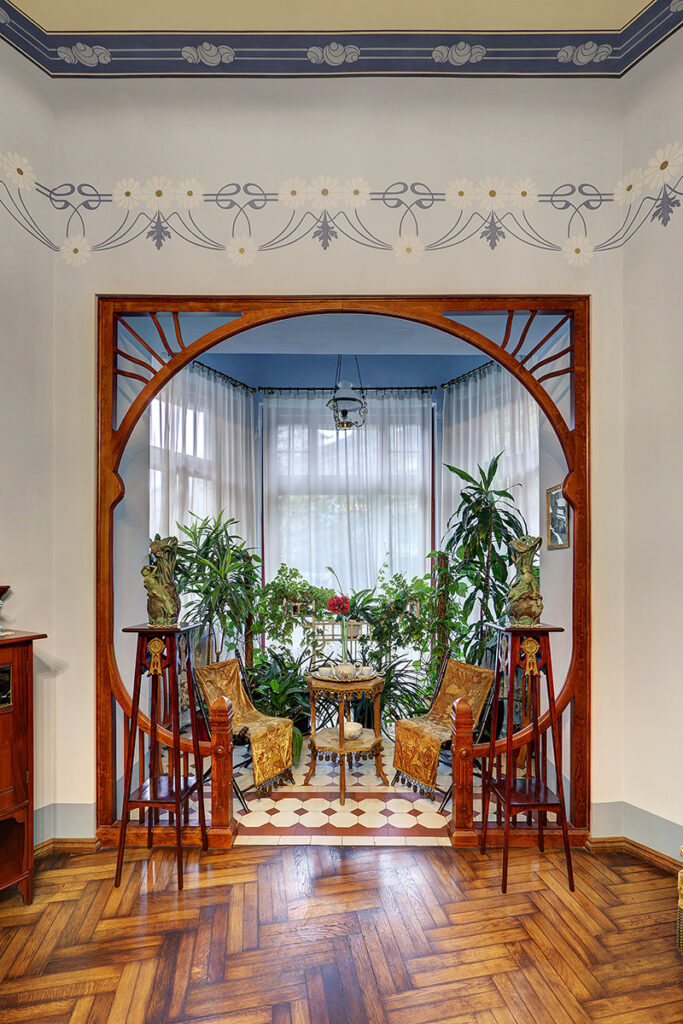
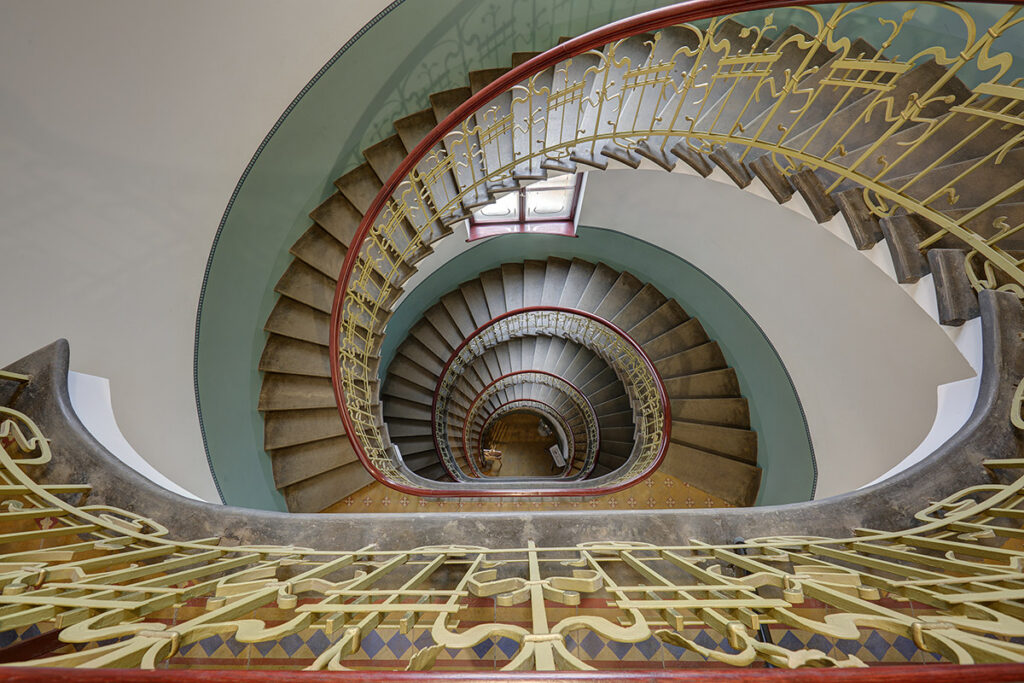
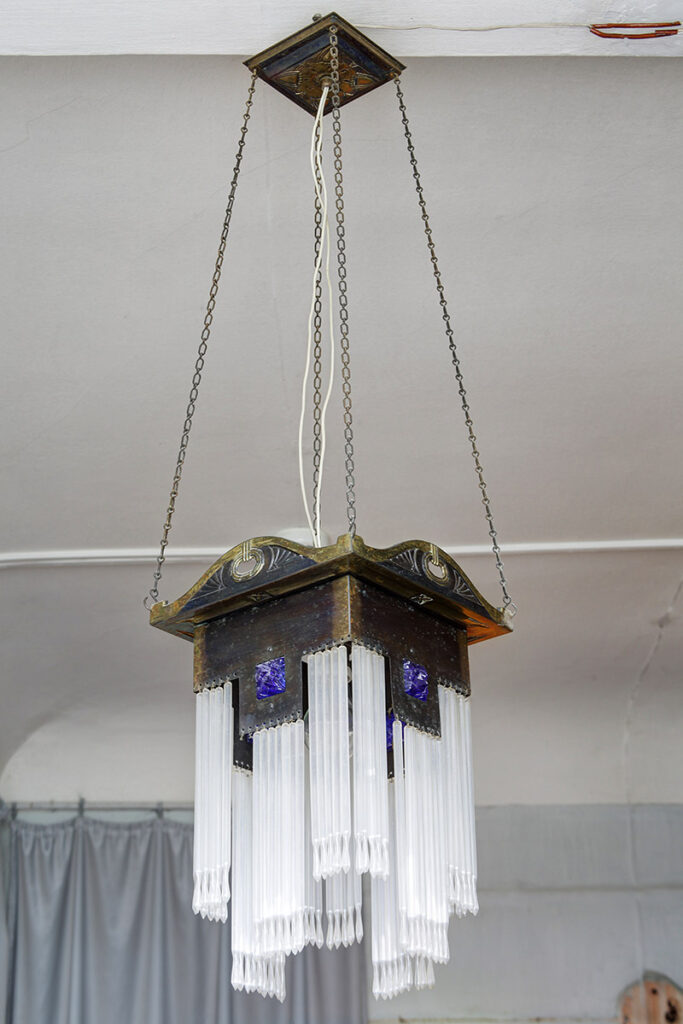
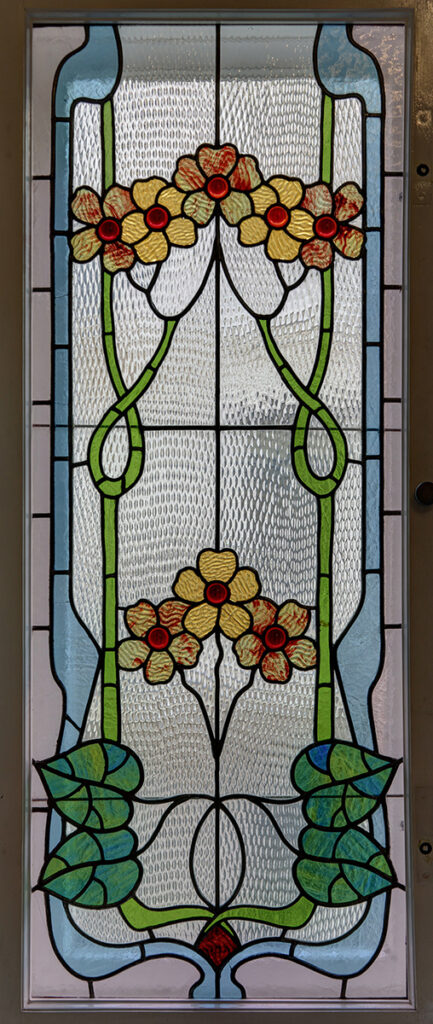
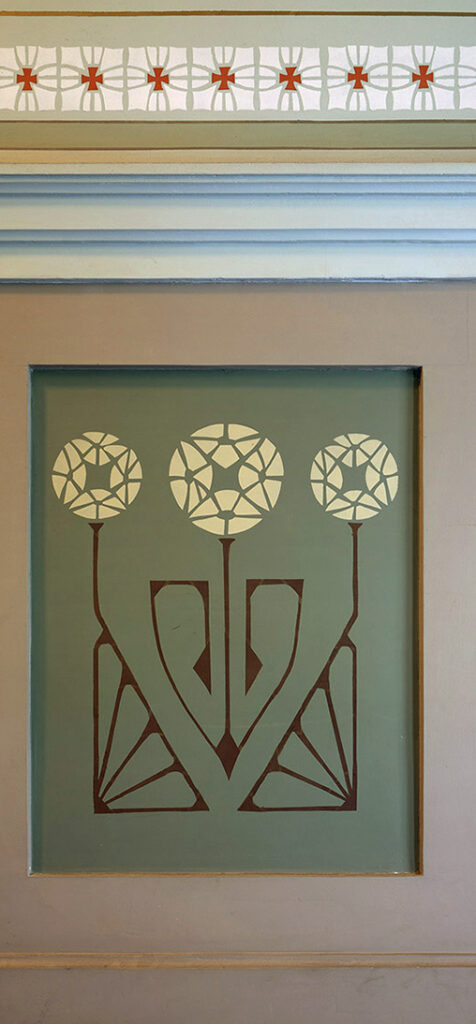
The apartment block at Alberta Iela 12, on a corner plot, included an apartment for himself together with his studio. The interiors are therefore interesting as they demonstrate his personal taste.
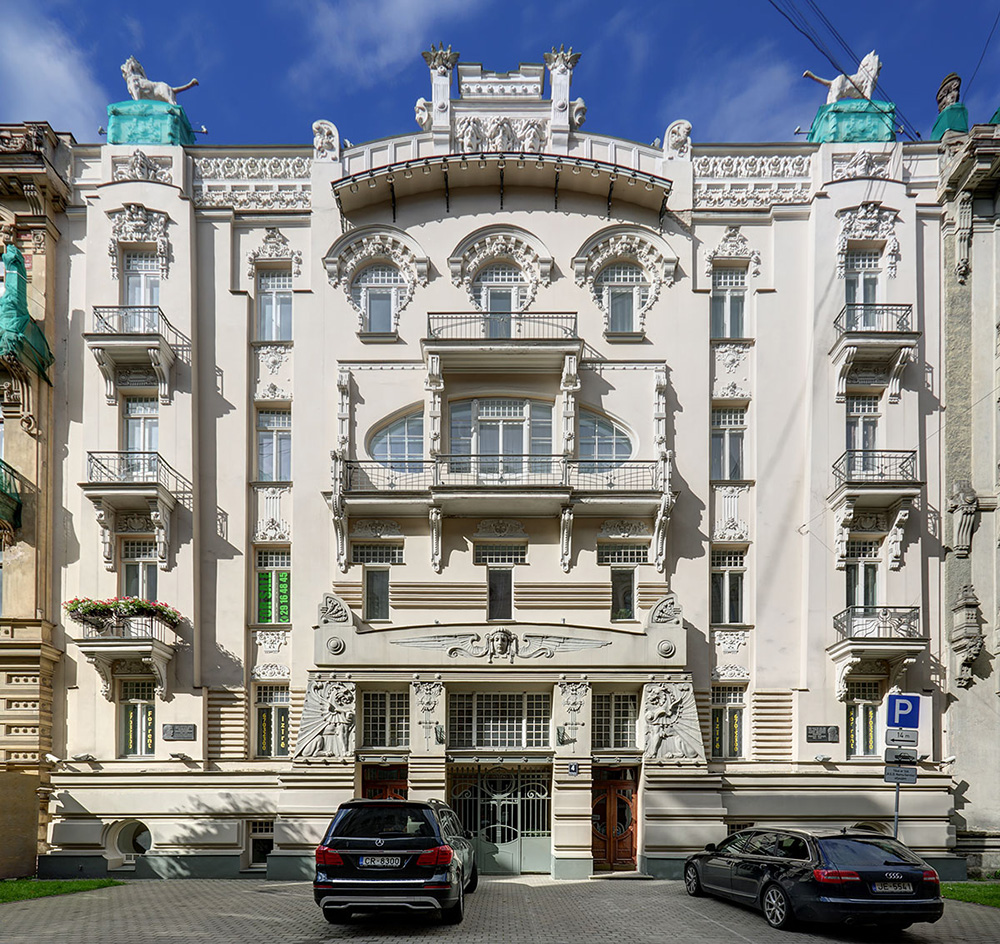
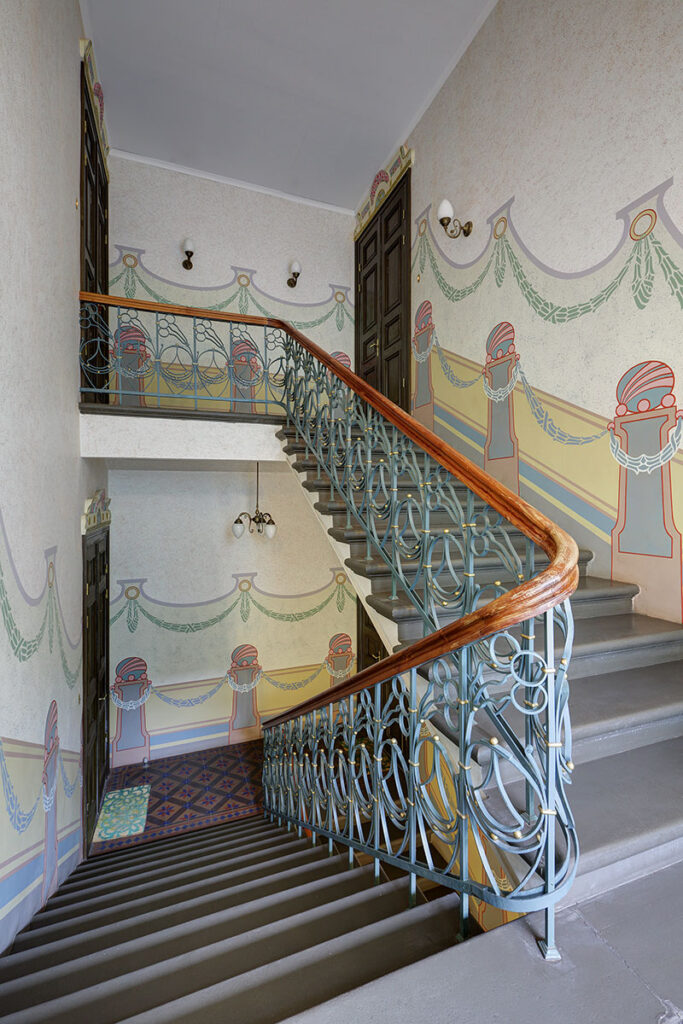
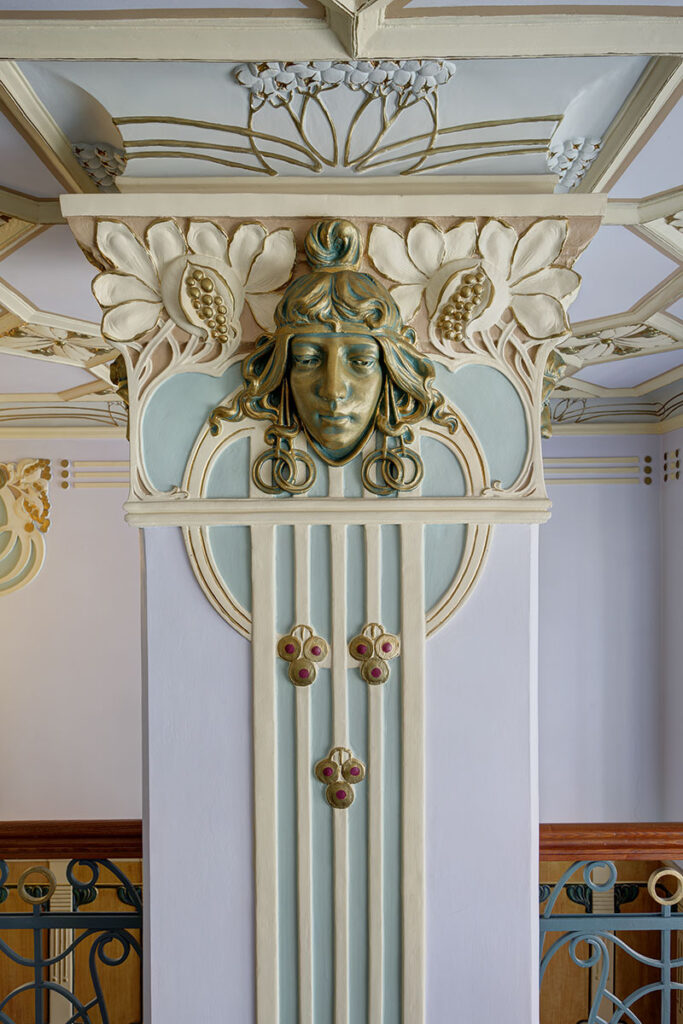
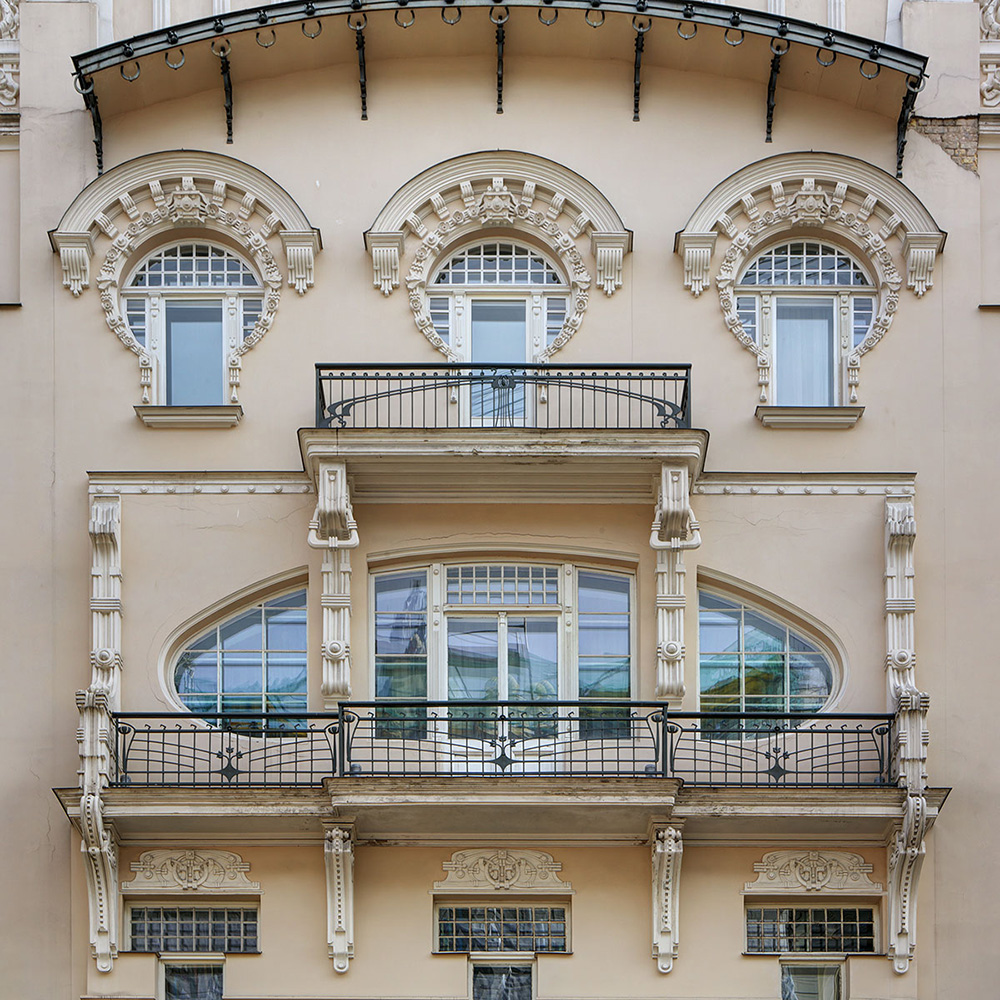
Alberta Iela 4 (1904) Architect: Mihails Eizenštein
The building at Alberta Iela 4, once Apartment House of Active State Councillor Andrey Lebedinsky was created by civil engineer Mikhail Eisenstein in 1904. It is one of the best examples of Eclectically Decorative Art Nouveau. Eisenstein was qualified as both civil engineer and architect. He had a particular passion for decorative details. Art Nouveau is usually considered as something of a niche area of architecture. Eizenstein was very much a member of the Riga establishment becoming the head of the city of Riga construction department. It is therefore not surprising that with the influence of architects Mihails Eizenstein and Konstantīns Pēkšēns, Art Nouveau became the dominant style for many Riga districts.

Smilšu iela 2 (1902.) Architect P. Mandelstamm.

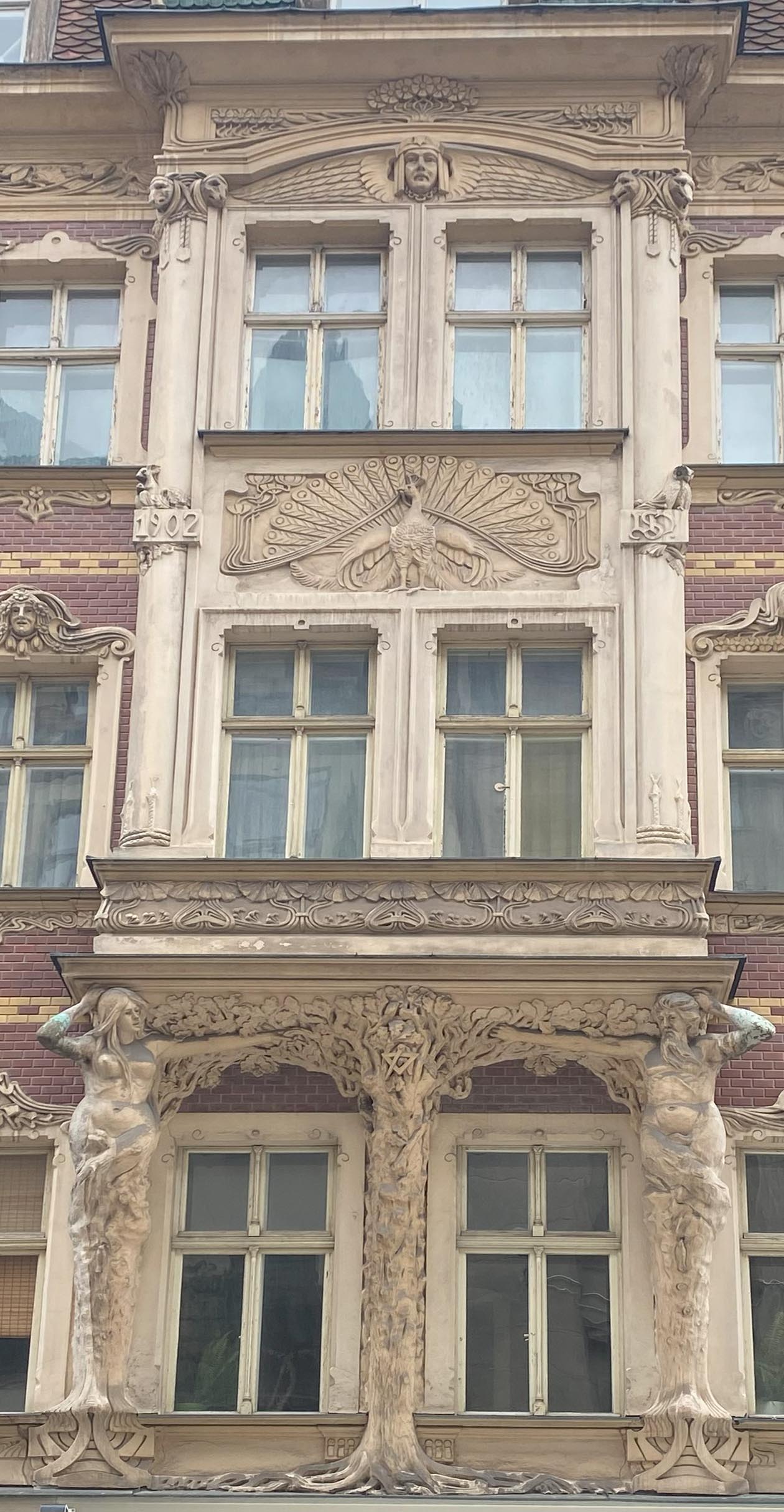
Kalēju iela 23 (1903.) Architect: Pauls Mandelštams
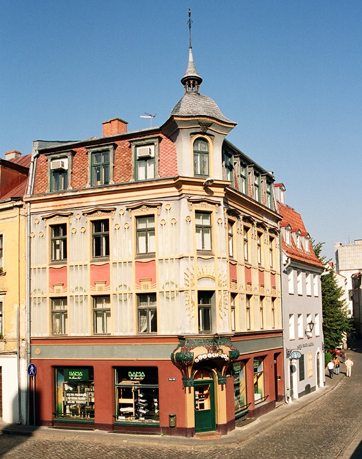
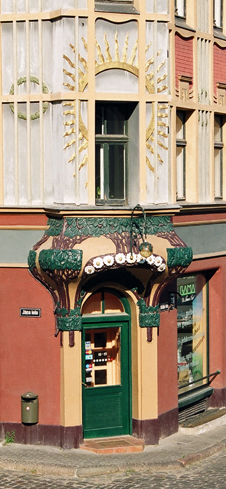
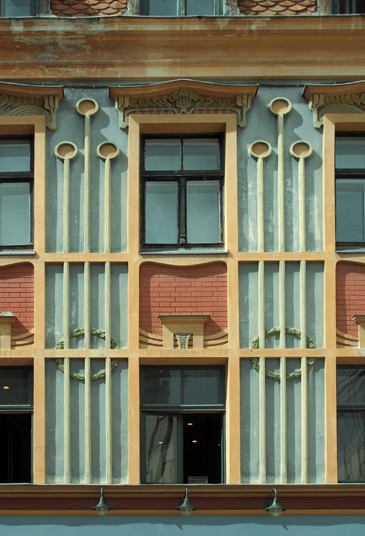
Teātra iela 9 (1904.) Architect: Fridrihs Šefels

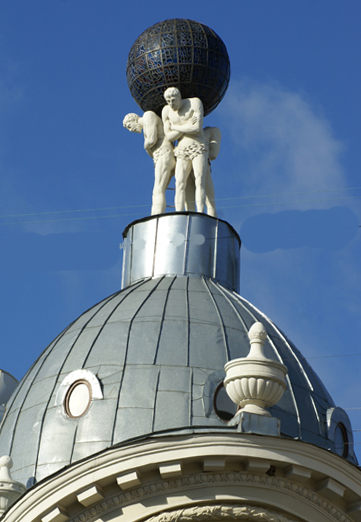
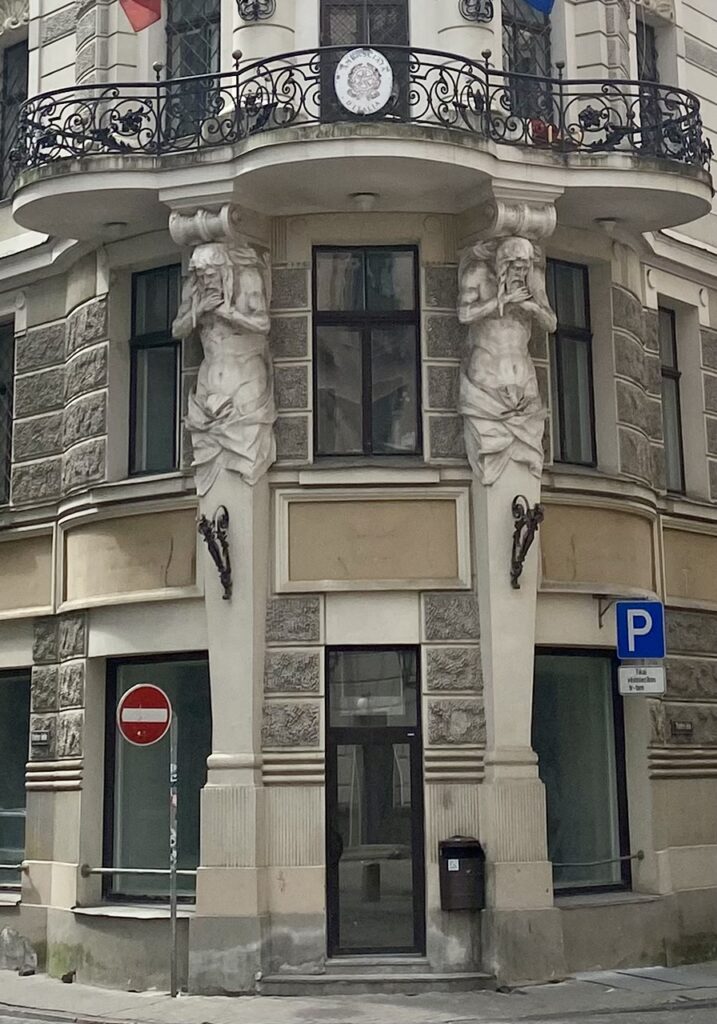
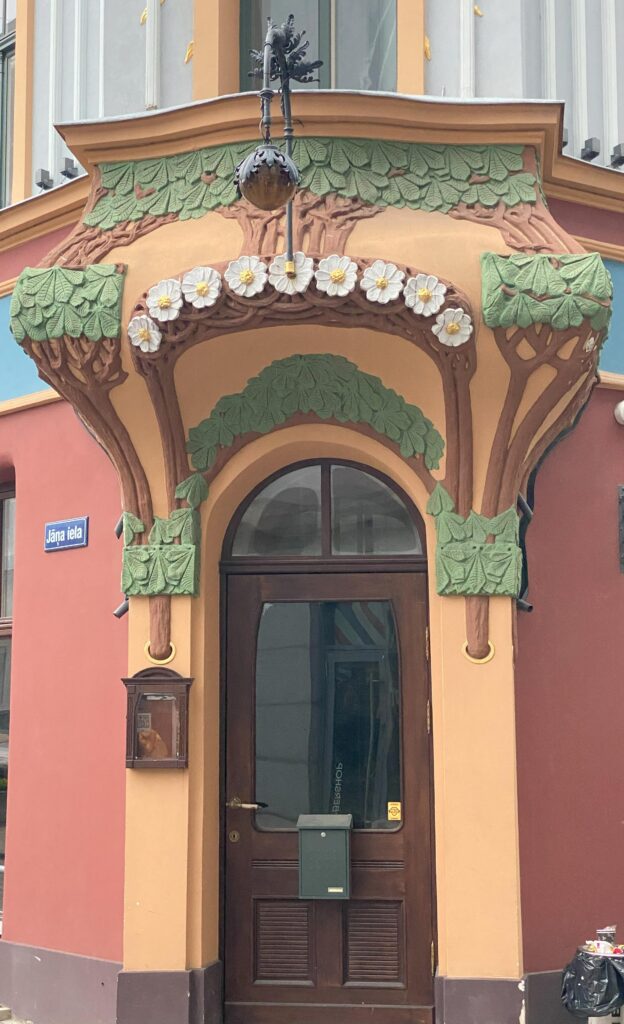
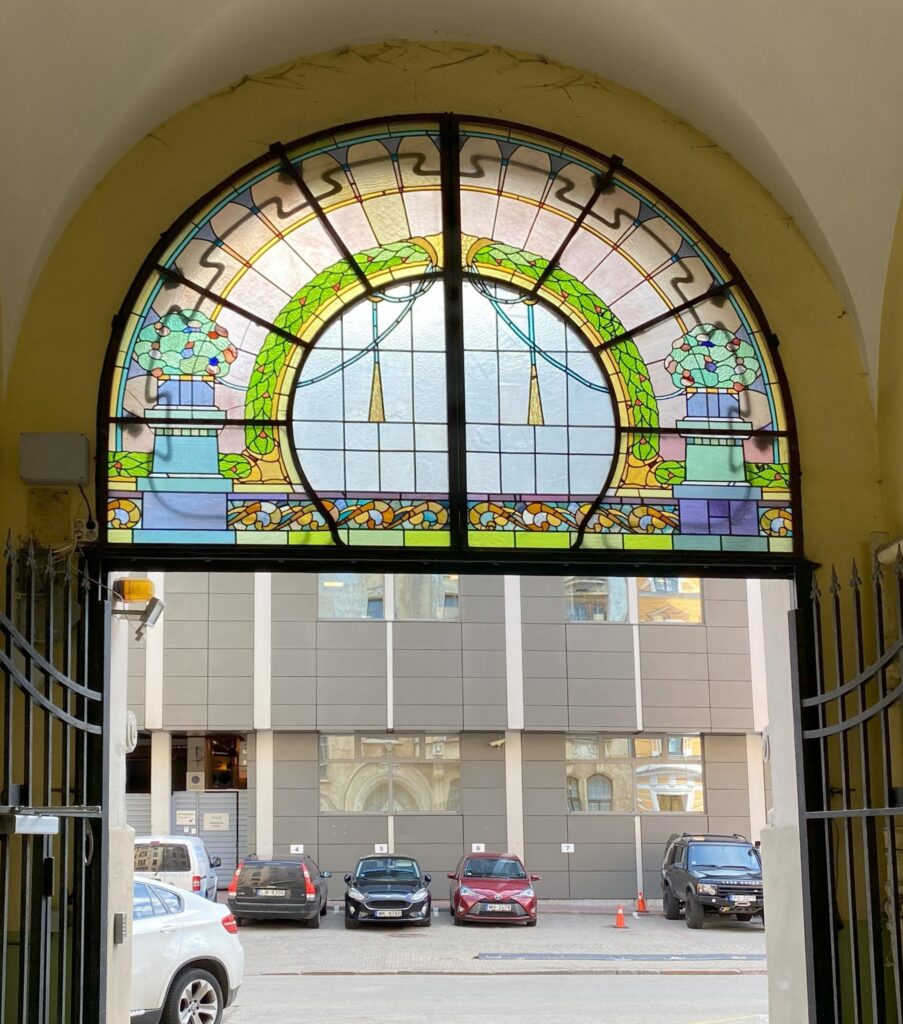
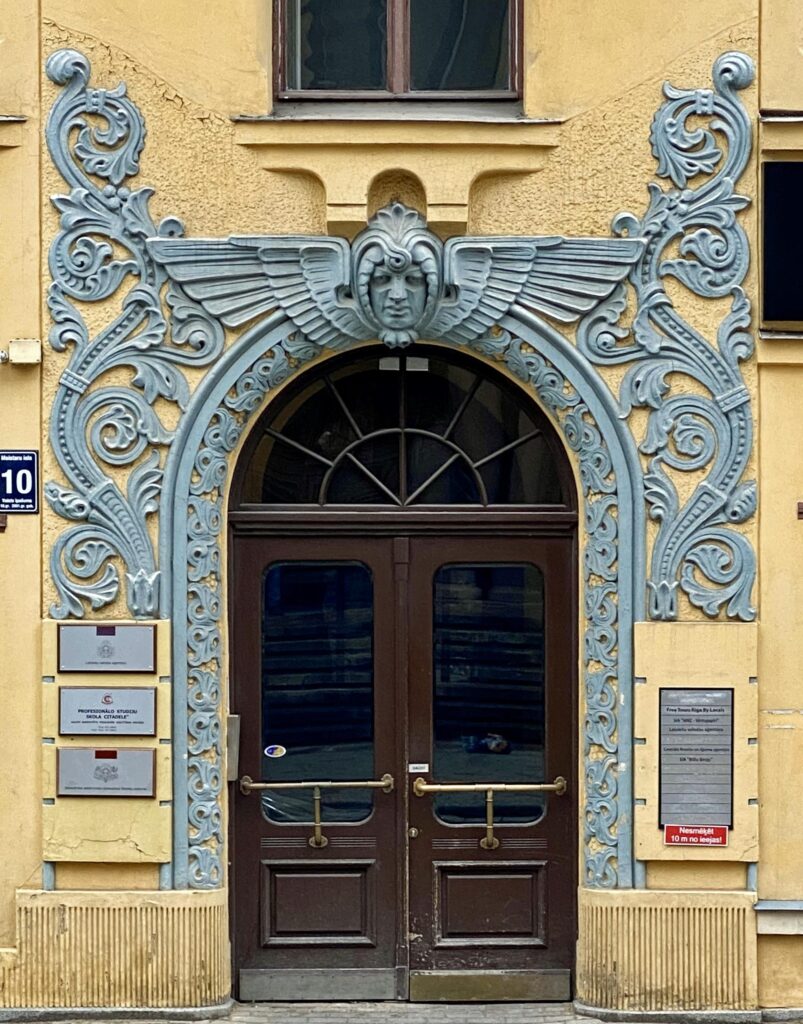
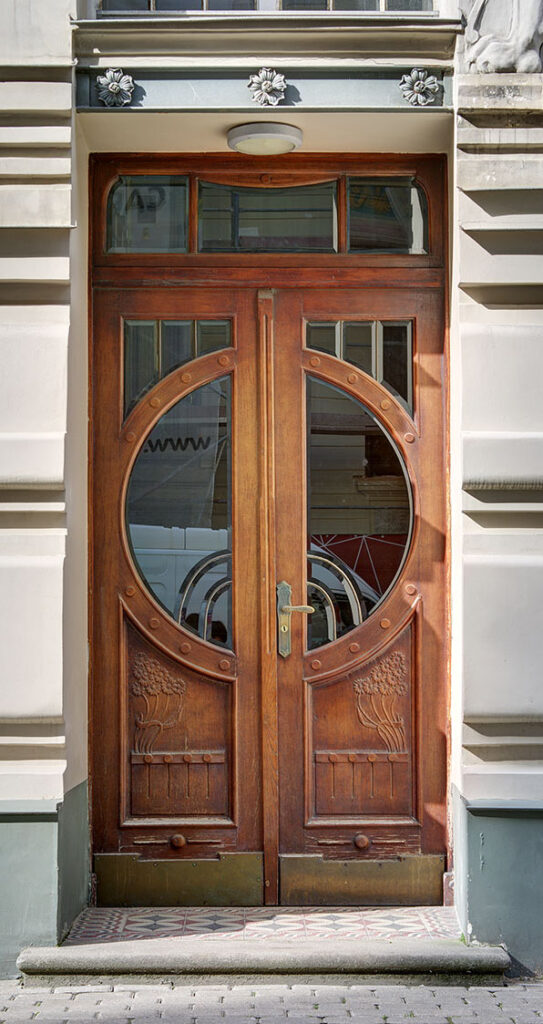
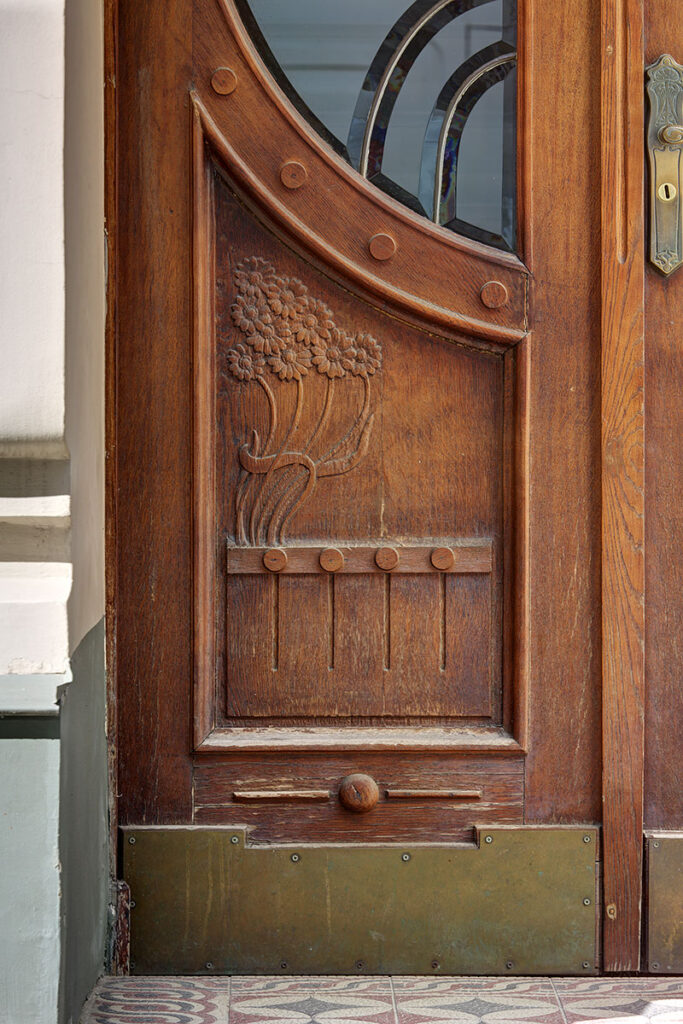
Art Nouveau Doorways
Art Nouveau architects particularly enjoyed making a feature of their buildings’ doorways. Literally portals to their work.
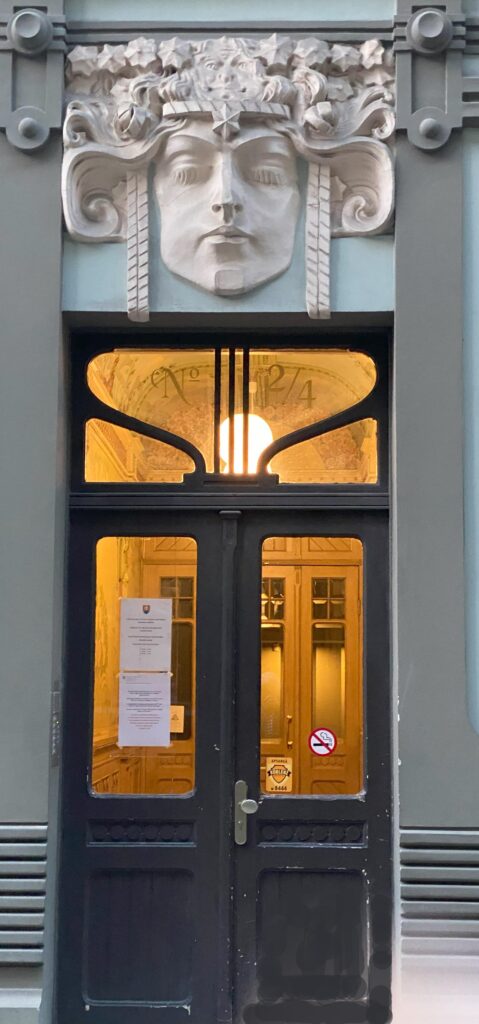
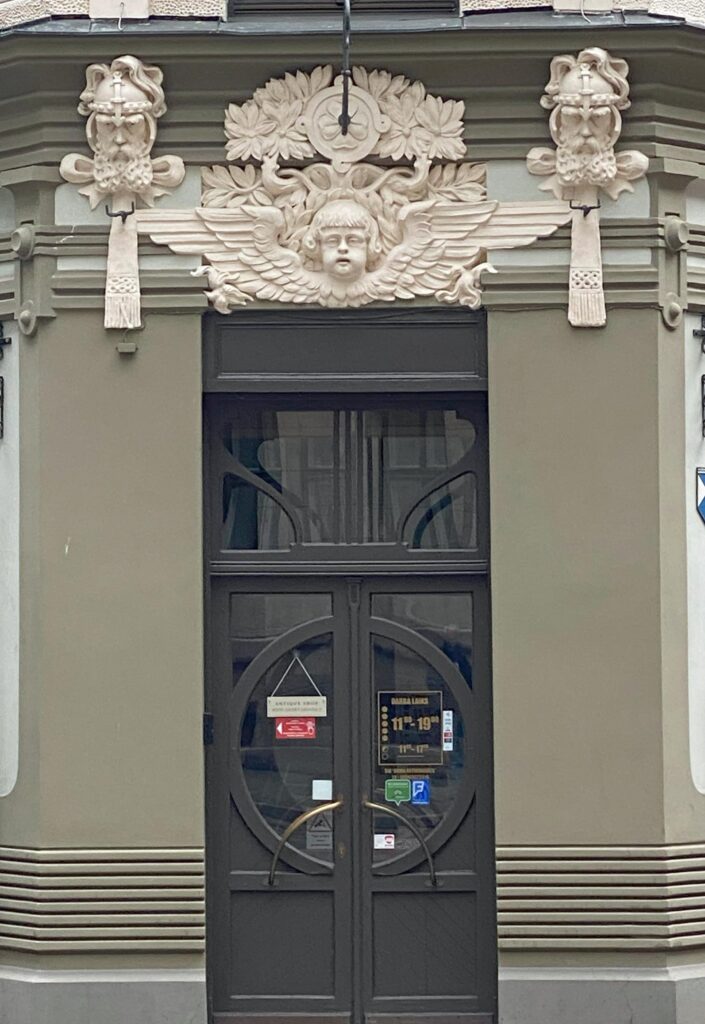
Further Information
Where to stay
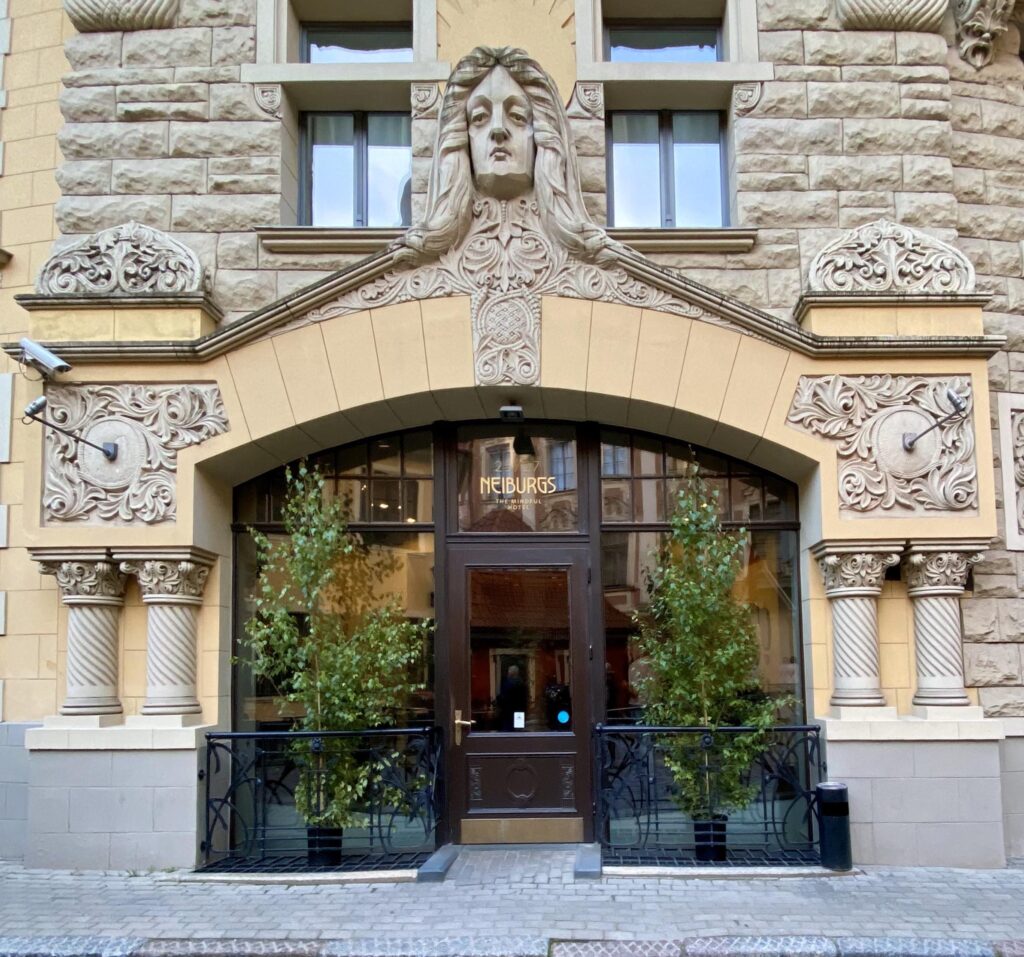
Hotel Neiburgs
A family run hotel 4* Very Pleasant. Situated in the heart of the old city, it is an ideal place to stay as a base for the exploration of Riga’s Art Nouveau. It was built for Ludvigs Neiburgs (1871-1948) who became one of the most prominent city developers. It is still run by the family. It is situated on Jauniela.
Jauniela 25/29 (1903.) Architect: Vilhelms Ludvigs Bokslafs

To book Reservation reservation@neiburgs.com
What to read
An excellent Latvian website with an enormous amount of informaton including, self-guided walking tours and imagery, is avilable here
https://jugendstils.riga.lv/eng/JugendstilsRiga
Professional Guide
For a professional guide to help you discover the Art Nouveau of Riga (and anything else about Riga) contact.
Zane Atvara… SIA Latriga Tours email zane80@inbox.lv